
About Mead


On this page:

What is mead
Place mead into perspective
Mead and mythology
How to drink mead
Mead and development
Mead and the environment


What is mead?

Mead is made by the alcoholic fermentation of honey.

To place mead in perspective it is important to take the Makana Meadery crash course in alcohol literacy.

What is alcoholic fermentation? 

Yeasts are small single celled micro-organisms which convert sugar into alcohol and carbon dioxide gas under conditions in which there is no oxygen. This is called fermentation.

Types of alcoholic beverages:

Mead - made by fermenting honey.

Wine - made by fermenting fruit (eg grapes).

Beer - made by fermenting malt, which is made from seeds.

Other: Palm wine made by fermenting plant sap

If any of these are distilled, the alcohol is concentrated into a spirit and most of the body of the beverage is left behind - hence the word spirit. Spirits are concentrated alcohol and are therefore more dangerous and the consumer must be educated as to how to consume these. They are also flammable.

What is intoxication? 

Alcohol causes abnormality in brain function. These abnormalities can possibly, in moderation be useful social tools, aiding conversation, facilitating business transactions, human reproduction and relationships, as well as cementing friendships. In excess the effects are normally the opposite.

[ Top of Page


Placing mead into perspective

History of mead:

The word mead conjures up pictures of an inebriated Shakespeare, or a lecherous Chaucer writing risqué stories in Old England. In reality, this was during the decline of mead in Europe. 

Mead is a simple and easy alcohol to make. All one has to do is mix honey and water and a little yeast and it ferments to mead. Hence, wherever there are lots of bees and people you tend to find bees. In Europe for many years there was a healthy population of bees, but various revolutions and rapid economic growth killed most of these, so now honey is scarce and you would have to be out of your mind to make mead on a large scale in Europe. And this is the case - mead in Europe is a novelty drink that people buy and generally place on their bars as a talking point. Very few drink it and the majority of European meads are sweetly unsophisticated. There are however some excellent exceptions from countries such as England, Poland, Northern France, Germany and Slovenia.

In Africa, mead is consumed in vast quantity. In subsistence economies honey is harvested from wild, or semi wild hives and is rich in pollen and debris - perfect for mead making, but not for sale as table honey.

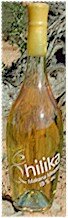
Famous African meads, consumed in huge quantities are drinks such as the Tej and Meis of Ethiopia, and the iQhilika of the Xhosa people of South Africa. There are many other types of mead unique to every nation in Africa. Most African mead is sold for immediate consumption and sophisticated marketing and packaging channels are not well developed.

Hence a problem exists - African mead is consumed in large quantities in Africa but is not easily marketable outside the continent due to shelf life problems. European mead is produced in small quantities and is marketed as a curiosity not a commodity which is consumed regularly.

[ Top of Page


Makana Meadery

Makana Meadery is a modern hi-tech African Meadery, making African style meads with a global approach. We make quality mead, we use advanced recipes and we filter and package it so that it is both attractive and pleasant to consume. In this way we like to think we are bridging the divide between a largely dormant European mead drinking culture, and a vibrant African mead drinking culture. We are both creating and preserving a culture of mead drinking.


[ Top of Page


Mead Mythology

In ancient times it was believed to be a good thing to give a young couple sufficient mead that they could drink a considerable amount each night for a month after getting married. This was a term politely referred to as a honeymoon - the primary objective of a honeymoon was for a couple to conceive a child. Hence many people connect the dots and suggest that mead is an aphrodisiac. We believe that this may be the case - but mead is also generally a very pure alcohol and as a result if one were to drink a considerable amount of any other less pure alcohol one may fall asleep - which would not help with the conception of children side of the honeymoon.

In Africa the story is that if you drink mead you feel strong like a lion. The Discovery Channel should shed some light on what this really means, given the rather extraordinary libido of lions.

Mead has been seen as being a medicine. In fact the word medicine is derived from the word metheglin (which is pronounced medeglin). Metheglin is a type of mead containing infusions of various herbs.

How to drink mead

Mead is a sophisticated beverage. The flavours in honey are more complex and subtle than those in fruit or malt, hence the mead drinker develops a very discerning palate.

The mouth must be cleared of foreign uncomplimentary tastes, such as toothpaste or peppermints. This is best achieved with a light snack - cheese, pickled quails eggs, light meats or the like.

The mead should be chilled in a fridge for at least an hour before consumption. It is best to let the mead stand in the fridge for 48 hours as this allows it to settle into the bottle and recover from any shaking it may have received on the way from the Meadery to your fridge. Some mead drinkers place ice in the mead - it is important to use good quality water for making the ice as the chlorine in tap water will affect the taste of the mead.

Mead should be poured gently into the same type of glasses used for red wines. This allows a decent amount of mead to contact the atmosphere and develops the bouquet of the mead.

If you have not consumed mead before, we recommend that you start with a semi-sweet mead. This can be either a spiced or plain mead. Once you have become acquainted with mead in this way you may migrate to less sweet and dry meads.

What to drink mead with

Mead is an excellent accompaniment to most savoury dishes. Sweeter meads tend to go well with spicier foods while dry meads are excellent served with delicate dishes such as chicken, duck, fish and calamari.

All meals should be consumed with good friends, music and conversation as has been the way for thousands of years.

Are you a mead connoisseur, or do you want to be?

Wines and beers are normally from a specific region, or culture, whereas there is a mead, or a record of a mead, for nearly every human culture that has lived with bees.
Hence a mead connoisseur needs to know about the world, and about our planet's cultures. A mead connoisseur needs to understand that a bottle of Kurpiosky Polish mead is going to be very different, yet share a lot in common with a bottle of Makana Meadery African mead from the other side of the world. A bottle of Munro's Mead from Canada will be very different to a bottle of Medovina Hurka from Slovenia.

A mead connoisseur will understand that bees visit thousands of different species of flowers all over the world, making millions of combinations of flavours in their honey every year. Whereas in wine making we are limited to a handful of cultivars of grapes, mead makers have access to honey - a magical mixture of natural flower nectar which will always be different as you never get exactly the same flowers flowering at exactly the same time every year!!

For a mead maker this great diversity of honey types forms the foundation of the art and science of mead making. The style of mead making adds further levels of complexity to the product.

A mead connoisseur is somebody who can appreciate diversity, uniqueness, and above all live with the fact that the chances are she or he will open a bottle of mead, enjoy it and probably never be able to buy another bottle which tastes exactly the same!

[ Top of Page


Mead and Development

If you are reading this section you are probably a development person, a politician or somebody from one of the other beverage industries.

In poor regions of the world agriculture does not work very well because skills and capital are limited and the environment is often stressed. But, people in these regions normally do drink alcohol, which is usually made in richer areas where agriculture is viable, people are more skilled and the government uses tax payers money to patch up the environment. Hence poor people spend the little bit of money they have on alcohol, get poorer and eventually they starve and stop being a viable market. This is unsustainable.

If people in impoverished areas keep bees, the bees visit the natural vegetation, make honey and that honey can be purchased by people from wealthy areas. Money flows back to the rural area, somebody can send their child to school and decent life resumes. Hence by backing mead consumption in cities, it is possible to funnel a small amount of money back to rural areas, as mead is made with honey and beekeeping employs people not machinery. It is possible for a rich area to literally drink a poor area out of poverty, rather than the poor area drinking itself to death as is currently the norm. Hence, if you are a politician the benefits are obvious and they should be to a development person as well.

To the beverage person - mead is not a threat, it is an opportunity to use installed beverage capacity and distribution mechanisms to achieve long term economic objectives that will develop the local market for your main line products by stopping the collapse of rural areas. Think of it - 3000 bottles of mead requires enough honey to create one part time employment opportunity for a person in a piece of land where nothing else is possible. The opportunities are endless stretching from Cape Town to Cairo.

[ Top of Page


Mead and the environment

Mead is a sustainable beverage.

To make honey, bees ideally require a lot of flowers. In a small number of places on Earth, such as an orange grove or sunflower field, these flowers are planted in monocultures, but across the vast woodlands of Africa, the rainforests and highlands of South America, the forests, swamps and plains of Europe, Eurasia and America, and the confusing ecosystems of Australia, the majority of flowers bees go to are on wild natural plants.

Hence, to make honey, bees need nature at its best.

By drinking mead, the consumer is voting with their money to conserve biodiversity - bees nurture the environment and provide an income for beekeepers without them having to clear fields, use tractors and pesticides.

Mead also saves water. Bees kept in natural areas do not require irrigation for honey production. Flowers make nectar when it rains - bees gather it. Hence no rivers need to be dammed to make mead.

Vote with your glass - conserve our biodiversity and have fun at the same time - what a challenge.

[ Top of Page


Home] [ Top of Page ] [Feedback


©Copyright Grahamstown Brewery, 2006

<script type="text/javascript">

var gaJsHost = (("https:" == document.location.protocol) ? "https://ssl." : "http://www.");

document.write(unescape("%3Cscript src='" + gaJsHost + "google-analytics.com/ga.js' type='text/javascript'%3E%3C/script%3E"));

</script>

<script type="text/javascript">

var pageTracker = _gat._getTracker("UA-3823757-2");

pageTracker._initData();

pageTracker._trackPageview();

</script>










